How it worksROI calculatorWaitlistContact Join the waitlist

You got the meeting. SIP helps you earn the next one.

Could one small improvement add $1,000,000 to your pipeline?

Give SIP a name and a company. In about two minutes you get a prepared, personalized playbook for the first call: who they are, what they care about right now, and what to say first.

A name and a company in. A prepared, personalized playbook for the first call out, in about two minutes.

Waitlist members get a free trial at launch. No card required.

Target acquiredHigh confidenceVerified ground truth
Sales Intelligence Dossier for Jordan Ellis, CRO
Selling: your company
Jordan Ellis, CRO
VP Revenue @ Northline Systems
New search Live battlecard Assemble sales slide Simulate call War room sandbox 1-click outreach Download PDF
10 key selling strategies
1.Lead with outcomes: time-to-first-deal for new AEs, not features.
2.Position as ramp acceleration for a team hiring 12 reps this quarter.
3.Pilot fast: propose a four-week pilot with one measurable outcome.
4.Reference the May raise and the investor pressure on pipeline directly.
5.Data-first buyer: bring one number, not a deck.
6.Ask what a good first 90 days looks like for a new AE.
7.Competitive reframing: they've tried two prospecting tools; position around prep, not lists.
8.Avoid generic AI claims. Show one concrete workflow.
research · recommendations · battle card00:00

Too many first meetings end after one call.

The CRM keeps score. Navigator finds the prospect. Nobody helps a seller walk in prepared enough to earn a second conversation. Generic preparation makes generic meetings, and generic meetings rarely get a second one.

The CRM keeps score. Navigator finds the prospect. Nobody helps a seller walk in prepared enough to earn a second one.

0%of a seller's week is spent actually selling.Salesforce, State of Sales, 2026
First meetings
100
Second meetings
25
Closed
4

75 conversations end after one call. Illustrative.

Six tabs of research become one page you can act on.

Separate agents research the company, the buyer's intent, the decision maker, and what to do about it. Then they check each other's work and assemble one briefing.

Separate agents research the company, the buyer, and what to do about it, then assemble one briefing.

See how it works

Company signalSeries B in May. Hiring 12 AEs this quarter.
Buyer intentPosted twice on ramp time and rep productivity.
Recent newsOpened a second office in Austin.
Tech stackHubSpot, Gong, Navigator.
Decision makerData-first. Skeptical of tools. Values a fast pilot.
Objection riskTwo prospecting tools already trialed.
Prior contactMet at Revenue Roundtable, March.
Recommended actionsLead with time-to-first-deal. Ask about the first 90 days.
briefing assembled
1.Lead with time-to-first-deal for new AEs, not features.
2.Reference the May raise and the hiring plan directly.
3.Ask what a good first 90 days looks like for a new AE.
4.Propose a four-week pilot with one measurable outcome.
5.Avoid generic AI claims. Show one concrete workflow.

What you get

Nobody buys a report. You're buying more second meetings and more deal flow. Here's how SIP delivers it, in three parts.

1. The dossier

The intelligence report on the prospect and the company: who they are, what they're dealing with right now, what they've said publicly, every claim confidence rated.

2. The strategy

Ten selling strategies ranked for this buyer and this account. What to lead with, what to ask, what to avoid. Tailored, not templated.

3. The war room

The interactive layer: rehearse the conversation against a model of the buyer, pressure-test your approach, and walk in with the live battle card. Rolling out through the beta.

What's in a dossier

How SIP collects signals, analyzes them, and packages what your sellers actually use.

Signal datapublic sources, live context Company signalfunding, hiring, news Buyer intentwhat they've said publicly Decision makerhow they think and buy The briefingone page, confidence rated

Four signals, one briefing

Company signal, buyer intent, decision-maker profile, and recommended actions are researched by separate agents and assembled into a single document. A rep reads one page instead of six tabs.

findingsconfidence
Closed a Series B in May3 sources, press and filings
96% verified
Hiring 12 AEs this quarter2 sources, job posts
88% verified
Prioritizes rep ramp timeinferred from 2 posts
64% inferred
Skeptical of new toolsinferred from tone
52% inferred
Agents check each other's work before anything reaches the page.

Collection, analysis, delivery

SIP follows the same cycle intelligence analysts use: gather from many sources, weigh reliability, check assumptions, prioritize what matters, and deliver it in a form the seller can act on immediately. Every finding carries a confidence rating so the rep knows what is verified and what is inferred.

See the full cycle

live battlecardJordan Ellis, CRO · Northline Systems
lead withTime-to-first-deal for new AEs, not features.
askWhat does a good first 90 days look like for a new AE?
avoidGeneric AI claims. Show one concrete workflow.
referenceThe May raise and the 12-rep hiring plan.
second-meeting likelihood78%
Start meeting

Enter every meeting. Earn every second meeting.

The briefing shows the buyer profile, the research behind it, ten selling strategies ranked by fit, and a live battle card for the meeting itself. More tools open up through the beta.

What SIP is built on

Intelligence methodology

Adapted from the intelligence cycle and published analytic tradecraft: define what you need to know, collect, analyze, check your assumptions, and deliver something the seller can act on.

Sales best practices

Discovery questions, objection handling, and mutual action plans from enterprise sales leaders, applied to each prospect automatically.

Multi-agent AI

Separate research, analysis, and recommendation agents review each other's work before anything reaches the briefing. Every claim carries a confidence rating.

Watch a dossier get built from a single name.

Demo, about 90 seconds

Without SIP. With SIP.

Without SIPWith SIP
Research timeHours, if it happensAbout two minutes
SourcesScattered across tabs and notesOne briefing, confidence rated
Talking pointsGeneric deck, generic questionsTen strategies ranked for this buyer
Consistency across repsDepends on the repSame standard every time
Second-meeting rateAround 25%Our target: 50% and up
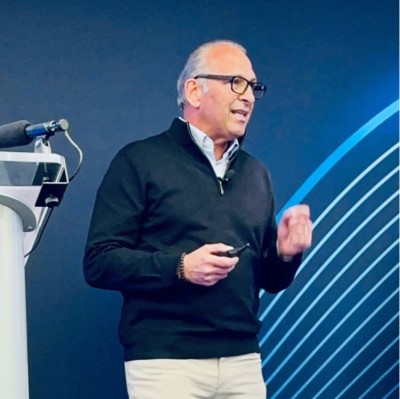
Frank Casale, founder of SIP, speaking on stage Frank Casale, founder
"I wanted something that created less work for a sales team, not more, and paid for itself inside the quarter. I couldn't find it. So we built it."

Frank Casale, Founder. Thirty years as a salesperson, sales manager, and selling founder.

Frank on LinkedIn

You may not have a lead problem. You may have a conversion leak.

Before buying more leads, see what happens when your team converts more of the meetings it already earns. Use your own numbers.

25%
50%
15%
Join the waitlist
$1,080,000
additional customer value per year, illustrative
Additional second meetings72Additional closed customers10.8
Join the waitlist

Join the waitlist.

SIP is in private beta with a small group of sales leaders. The waitlist gets in next.

  • Free trial at launch, no card required
  • Priority onboarding
  • A say in what we build next

We'll email you when your access is ready. Nothing else.

Questions sales leaders ask

What is SIP?

A sales intelligence and personalization platform. You give it a prospect, it gives you a prepared, personalized playbook for the conversation: research, recommendations, and a live battle card.

How long does a dossier take?

About two minutes from a name and company.

Who is SIP for?

Sales leaders, account executives, and founders who sell, especially teams where the first meeting is the hard part.

Does it replace my CRM?

No. The CRM keeps score. SIP is the layer that helps you score. Keep what you have.

When can I try it?

Private beta is running now. Join the waitlist and you'll hear from us when public access opens.

Ready to see what SIP could do for your pipeline?